

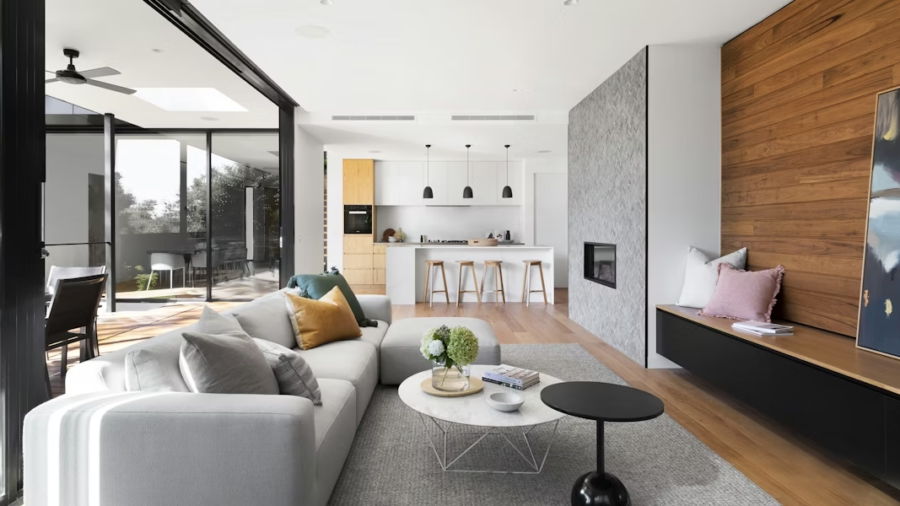
As we approach 2026, home design is evolving beyond mere aesthetics to embrace functionality, sustainability, and holistic living. The post-pandemic era has fundamentally shifted how we perceive our living spaces, transforming homes from mere shelters to multifunctional sanctuaries that support work, wellness, and environmental consciousness. At AMKAMM Construction Limited, with our expertise in high-end residential construction, we’re at the forefront of integrating these emerging trends into homes that are not just beautiful, but purpose-built for modern living.
Based on our work with architects, designers, and forward-thinking homeowners, here are the top five trends shaping residential construction for 2026:
1. Biophilic Integration: Bringing Nature Indoors
The Trend
Moving beyond potted plants to architectural integration of natural elements.
Key Features
- Living walls and green roofs that improve air quality and insulation
- Floor-to-ceiling windows that maximize natural light and outdoor connection
- Natural material palettes using stone, wood, bamboo, and cork
- Indoor water features for sensory tranquility and humidity regulation
- Strategic sightlines that frame outdoor landscapes as living art
Why It Matters
Studies show biophilic design reduces stress by 60%, increases productivity by 15%, and enhances creativity. In 2026, this isn’t just decoration—it’s neuroscience-backed architecture that supports mental health and well-being.
Implementation Tip
“Consider installing a central courtyard or atrium, even in urban settings. This creates a private outdoor sanctuary while providing natural ventilation and light to surrounding rooms.”
2. Adaptive Multi-Functional Spaces
The Trend
Rooms that transform based on time of day, occupancy, and purpose.
Key Features
- Convertible room systems with movable walls and partitions
- Built-in modular furniture that serves multiple functions
- Hidden technology integration (disappearing TVs, concealed workspaces)
- Zoned lighting systems that adapt to different activities
- Acoustic management for privacy in open-plan designs
Why It Matters
The average home now serves 8+ functions—office, gym, classroom, entertainment center, and more. Fixed-room layouts are becoming obsolete as families demand spaces that evolve with their needs.
Smart Implementation
“We’re designing homes with ‘activity pods’—defined areas within open plans that can be acoustically and visually separated when needed, then seamlessly reintegrated.”
3. Sustainable Intelligence: Smart Meets Green
The Trend
Technology that doesn’t just automate but optimizes energy use and environmental impact.
Key Features
- AI-powered energy management that learns family patterns
- Integrated renewable systems (solar tiles, geothermal, small wind turbines)
- Water reclamation systems with smart monitoring
- Phase-change materials in walls for passive temperature regulation
- Circular design principles using recycled and recyclable materials
Why It Matters
Modern homeowners want technology that serves both convenience and conscience. The 2026 home isn’t just smart—it’s intelligently sustainable, with systems that reduce carbon footprint while lowering utility costs.
Technical Insight
“The most advanced homes we’re building feature predictive maintenance systems that alert homeowners to potential issues before they become problems, from plumbing leaks to insulation degradation.”
4. Wellness-Centered Design
The Trend
Architecture that actively promotes physical and mental health.
Key Features
- Dedicated wellness zones (meditation rooms, home spas, infrared saunas)
- Circadian lighting systems that mimic natural light patterns
- Advanced air purification with VOC monitoring
- Ergonomic everything from kitchen heights to stair design
- Sensory gardens and therapeutic landscapes
Why It Matters
Post-pandemic, homeowners are investing in preventative health through their living environments. The 2026 home functions as a daily wellness retreat, reducing healthcare costs and improving quality of life.
Construction Consideration
“We’re specifying materials not just for durability, but for their health properties—clay plaster for humidity regulation, non-toxic finishes, and antimicrobial surfaces that don’t rely on chemicals.”
5. Resilient and Climate-Adaptive Architecture
The Trend
Homes designed for specific climate challenges and future-proofing.
Key Features
- Passive survivability design (homes that remain habitable during power outages)
- Raised foundations and flood-adaptive systems in flood-prone areas
- Wildfire-resistant materials and defensible space design
- Hurricane-rated construction with impact-resistant windows
- Heat-reflective roofing and pavements for urban heat islands
Why It Matters
Climate change is making extreme weather events more common. The 2026 home isn’t just built for today’s climate but is resilient against tomorrow’s challenges, protecting both investment and inhabitants.
Regional Application
“In Nigeria, we’re focusing on heat mitigation through strategic orientation, natural ventilation systems, and thermal mass materials that keep interiors cool without excessive AC dependence.”
Integrating Trends: The AMKAMM Holistic Approach
At AMKAMM Construction Limited, we don’t treat these trends as isolated features but as interconnected systems. Here’s how we approach integrated design:
Case Study: The Ikeja Smart-Resilience Home
One of our current projects combines all five trends:
- Biophilic: Central courtyard with native plants and water feature
- Adaptive: Convertible guest room/home office with acoustic partitions
- Sustainable: Solar array + battery system with AI optimization
- Wellness: Dedicated meditation zone with circadian skylight
- Resilient: Elevated design with rainwater harvesting and passive cooling
Budget Considerations
While these features represent premium construction, many have become more accessible:
- Entry Level (20-30% premium): Focus on 1-2 key trends with future-ready infrastructure
- Mid Range (40-60% premium): Integrated 3-4 systems with smart technology
- High End (75-100% premium): Fully integrated, custom-designed holistic home
Preparing for Your 2026 Home Project
Questions to Ask Your Builder:
- How will you integrate natural elements beyond decorative plants?
- What flexible design elements can accommodate future needs?
- Which sustainable technologies offer the best ROI in our climate?
- How will the design specifically promote our family’s wellness?
- What resilience features are most important for our location?
Timeline Planning:
- Design Phase: 3-6 months (trend integration requires careful planning)
- Permitting: 2-4 months (innovative designs may need special approvals)
- Construction: 8-14 months depending on complexity
- Technology Integration: 1-2 months post-construction
The Future is Customized
The most important trend for 2026 isn’t any specific feature, but the move toward highly personalized homes. The best modern design starts with understanding how your family lives, works, and dreams—then building a space that supports that unique vision while incorporating forward-thinking elements that will serve you for decades.
As Bahij Alhmidi, our Executive Director notes: “The homes we’re building today are conversations with the future. They answer questions about sustainability, adaptability, and wellness that homeowners are only beginning to ask.”
Ready to build your future-ready home? AMKAMM Construction Limited specializes in creating residential spaces that blend timeless craftsmanship with cutting-edge design trends. Our 25+ years of expertise ensure that your vision becomes a reality that’s beautiful, functional, and built to last.